



















Most travelers make the same predictable pilgrimage along France’s royal river: an early train from Paris, a mad dash through the echo chambers of Chambord, and an elbow-to-elbow shuffle across the gallery bridge of Chenonceau. By mid-afternoon, sensory fatigue sets in, dominated by tour groups and diesel bus exhaust.
Yet the true spirit of this UNESCO-inscribed river valley does not reside in its cavernous, state-run monuments. It lingers behind iron gates laced with climbing roses, down sun-dappled limestone lanes, and inside private estates where the descendants of French nobility still tend the orchards. If you are planning an authentic Loire Valley road trip, stepping away from the marquee attractions reveals an intimate world of Renaissance intrigue, private art sanctuaries, and riverside fortresses untouched by mass tourism.
This comprehensive Loire Valley chateaux guide unlocks the valley’s best-kept secrets, taking you deep into Touraine, Anjou, and the Sologne to experience France’s most captivating historic homes.
Quick Travel Snapshot
- Best Time to Visit: May to June (blooming gardens) or late September to mid-October (grape harvest and golden foliage)
- Nearest Airport: Tours Val de Loire (TUF) for regional flights; Paris Charles de Gaulle (CDG) / Orly (ORY) for international arrivals (take the 1-hour TGV from Paris Montparnasse to Saint-Pierre-des-Corps)
- Recommended Duration: 4 to 6 days
- Average Entrance Fee: €9 – €14 per hidden château (significantly cheaper than the €17–€22 charged at marquee estates)
- Difficulty Level: Easy (gentle walking across gravel paths, gardens, and stone spiral staircases)
Secret Castles of France: Four Overlooked Masterpieces
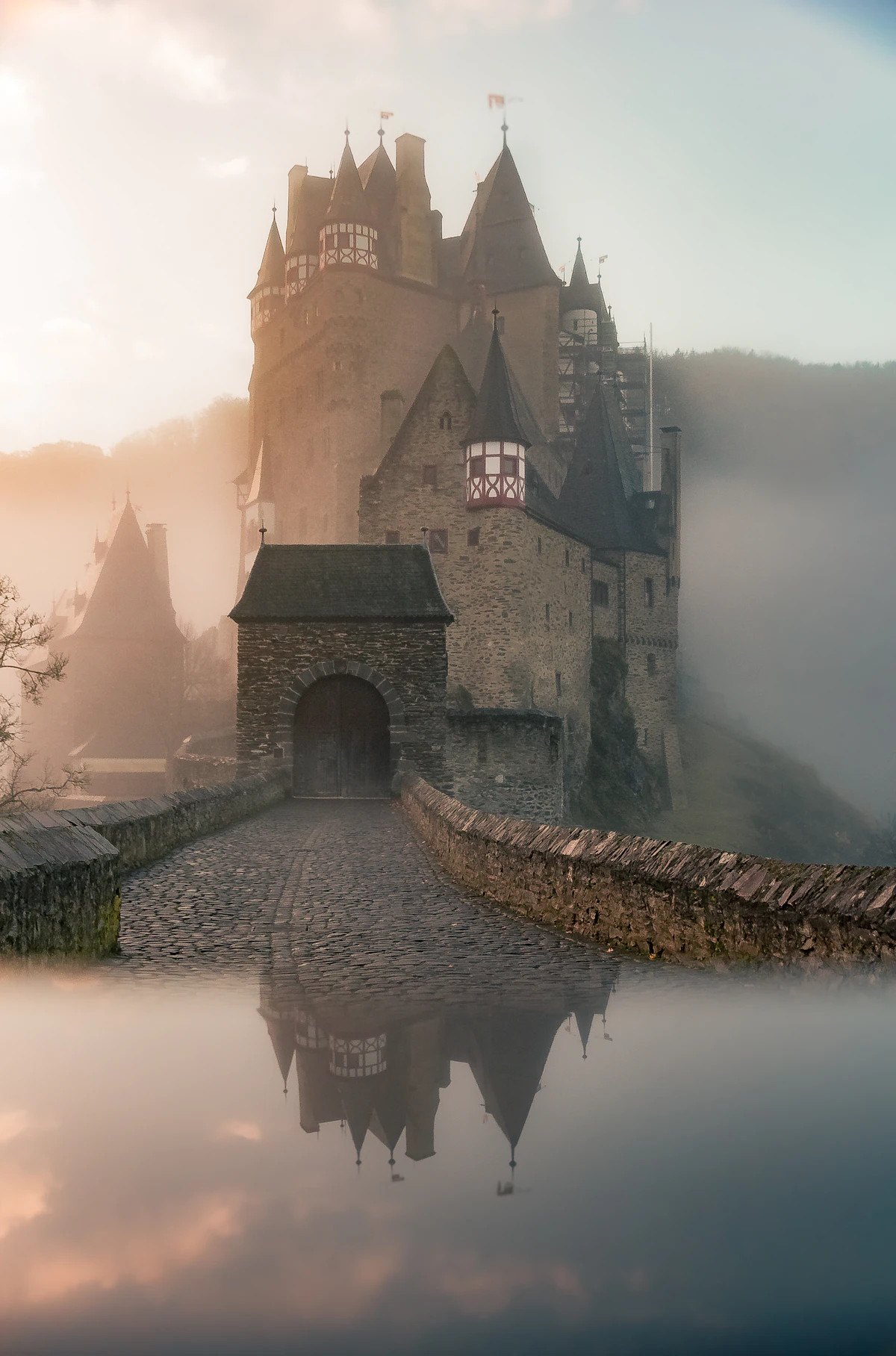
While Bavaria lures travelers with romantic Alpine towers like Neuschwanstein Castle, the Loire Valley delivers a vastly different kind of architectural wonder: Renaissance elegance crafted from luminous white tuffeau stone, designed not for mountain warfare, but for civilized leisure.
1. Château de Beauregard: The Hall of 327 Faces
Hidden within the oak forests south of Blois, Beauregard served as the hunting lodge of King Francis I before passing to Paul Phélypeaux de Pontchartrain, Secretary of State to King Henry IV.
The crown jewel here is the astonishing Galerie des Illustres. While Chambord showcases bare stone walls stripped during the French Revolution, Beauregard preserves a fully intact, 26-meter gallery lined with 327 historic portraits chronicling 310 years of European diplomacy. Beneath your feet lies an uninterrupted pavement of 5,500 blue-and-white Delft earthenware tiles, depicting a complete 17th-century army marching in formation.
- Insider Tip: Stroll into the “Jardin des Portraits,” designed by landscape architect Gilles Clément, where contemporary plantings mirror the chromatic palette of the historical paintings inside.
2. Château du Rivau: Medieval Towers and Surrealist Gardens
Rising above the wheat fields near Chinon, Château du Rivau appears plucked straight from a storybook. Complete with a working drawbridge, round machicolated turrets, and dry moats, Rivau dates to the 13th century. Joan of Arc came here in 1429 to requisition battle horses, thanks to the estate’s renowned royal stables.
Today, Rivau offers an inventive dialogue between medieval heritage and the modern avant-garde. The owners have populated the grounds with 15 whimsical, fairytale-themed botanical gardens certified by the French Ministry of Culture, interspersed with monumental contemporary art installations—including giant legs bursting from hedges and glass sculptures reflecting ancient stone.
3. Château de l’Islette: The Romantic Sanctuary of Rodin and Claudel
Located just two kilometers from Azay-le-Rideau, Château de l’Islette often gets overshadowed by its famous water-bound neighbor. This oversight works entirely in your favor.
Framed by weeping willows beside the meandering Indre River, this private 16th-century Renaissance gem provided the clandestine retreat where sculptors Auguste Rodin and Camille Claudel lived out their passionate, turbulent affair during the 1890s. It was inside these walls that Rodin worked on his celebrated monument to Balzac. Today, visitors can rent rowboats, lay picnic blankets directly on the private riverbanks, and explore beautifully furnished, inhabited salons without another soul in sight.
4. Château de Montsoreau: Where Contemporary Art Meets the Riverbed
Perched right at the confluence of the Loire and the Vienne rivers, Montsoreau holds a singular distinction: it is the only Renaissance château built directly on the bed of the Loire River.
Immortalized by Alexandre Dumas in his novel The Lady of Monsoreau, the white tuffeau fortress now houses the Château de Montsoreau-Museum of Contemporary Art, displaying the world’s most extensive collection of works by the conceptual art movement Art & Language. Climb to the rooftop terrace for an unobstructed panoramic view across wild river sandbanks that stretch toward Saumur.
The Curated 4-Day Loire Valley Road Trip Itinerary
To maximize your time and avoid the tour bus routes, base yourself in or around Amboise or Saumur, using scenic secondary roads (the Départementales) rather than toll highways.
Paris / Tours
      │
      ▼
[Day 1: The Forest Sanctuaries] ──► Beauregard & Cheverny Forests
      │
      ▼
[Day 2: Along the Indre River]   ──► L'Islette & Villandry Gardens
      │
      ▼
[Day 3: Medieval Bastions]       ──► Rivau & Chinon Fortress
      │
      ▼
[Day 4: River Confluences] ──► Montsoreau & Saumur Underground- Day 1: Forest Enclaves of the Sologne. Arrive in Tours or Blois. Drive through the quiet woodland roads of Cellettes to spend your morning at Château de Beauregard. In the afternoon, skip the congested center of Blois to tour Château de Troussay, often celebrated as the smallest Renaissance château in the Loire.
- Day 2: Riverside Romance along the Indre. Drive west along the D84 towards Azay-le-Rideau, turning off toward Château de l’Islette. Spend your midday rowing along the Indre, followed by an afternoon visit to the terraced vegetable and water gardens of Château de Villandry.
- Day 3: Chivalry and Wine in Chinon. Head south toward Château du Rivau to wander its botanical gardens and medieval stables. In the afternoon, wind your way into Chinon, exploring the ruined ramparts of the Royal Fortress of Chinon before descending into the hillside wine caves.
- Day 4: Tuffeau Cliffs and Waterways. Follow the D947 along the south bank of the Loire. Explore Château de Montsoreau, then delve into the troglodyte caves of Turquant, where local artisans craft leather, pottery, and jewelry directly inside ancient cliffside dwellings.
Much like traversing the dramatic passes of our Dolomites Travel Guide, driving the rural roads of the Loire requires pacing yourself—reserve your afternoons for spontaneous detours down unmarked vineyard paths.
Practical Logistics: Routes, Coordinates, and Planning
Getting Around
A personal vehicle is non-negotiable if your goal is discovering secret castles in France. While train services connect major hubs like Blois, Amboise, and Tours, regional buses to smaller villages run infrequently.
- Car Rental: Pick up your rental car at the Saint-Pierre-des-Corps TGV station outside Tours. Major agencies (Hertz, Avis, Sixt) operate directly opposite the rail terminal.
- Cycling Alternative: The Loire à Vélo trail spans 900 kilometers. Sections between Saumur and Montsoreau are entirely flat and fully segregated from motor traffic, making bicycles a superb choice for riverside estates.
Parking and Navigation Coordinates
- Château de Beauregard: Free on-site visitor parking directly at
47.5372° N, 1.3533° E. - Château de l’Islette: Shaded gravel lot near the estate gates at
47.2608° N, 0.4358° E. - Château du Rivau: Dedicated parking field suitable for standard vehicles and campers at
47.1022° N, 0.3236° E. - Château de Montsoreau: Public parking along the quayside at
47.2161° N, 0.0558° E.
Booking Strategies
Unlike Chambord or Chenonceau, where timed-entry slots must be secured days in advance during July and August, these hidden estates rarely require advance booking. However, double-check seasonal opening calendars: smaller châteaux frequently close from November through March, and several remain closed on Tuesdays or during private family events in early spring.
Regional Gastronomy & Troglodyte Dining
The Loire Valley is dubbed the “Cradle of the French Language” and the “Garden of France”—a legacy mirrored in its relaxed farm-to-table culinary heritage.
- Sainte-Maure-de-Touraine: A goat’s milk cheese easily identified by the rye straw running through its ash-dusted center. Buy it fresh from village morning markets in Chinon or Loches.
- Fouées (or Fouaces): Pocket-sized, wood-fired hollow bread rolls served piping hot and stuffed with rillettes du Mans, melted goat cheese, or salted butter with white beans (mogettes).
- Troglodyte Dining: Ancient quarries hollowed out to extract tuffeau stone have found new life as subterranean bistros. Book a table at Les Pieds Bleus in Chênehutte or La Cave aux Moines near Saumur, where you dine by candlelight deep within underground chambers once used for mushroom cultivation.
- Wine Pairings: Balance your meals with crisp, mineral-heavy whites from Vouvray (Chenin Blanc) or medium-bodied, herbaceous reds from Chinon and Bourgueil (Cabernet Franc).
Sustainable Heritage Exploration
Small, privately owned historic properties depend heavily on sustainable, independent tourism to fund costly conservation work on crumbling tuffeau masonry.
- Support Local Craft: Instead of buying mass-produced souvenirs, buy estate-bottled wines, orchard jams, and honey produced directly on castle grounds. At Château du Rivau, for instance, the on-site restaurant sources its produce from the estate’s heritage gardens.
- Tread Lightly on Soft Stone: Tuffeau is exceptionally porous limestone. Avoid leaning on balustrades or touching carvings; natural skin oils accelerate the stone’s erosion.
- Keep to the Marked Alleys: Avoid straying into sensitive biodiversity areas along the banks of the Loire, which serve as crucial nesting grounds for protected terns and beavers.
Frequently Asked Questions
What makes smaller Loire châteaux better to visit than Chambord?
Smaller estates provide an authentic human scale. Rather than dealing with crowded corridors and barren, museum-style restorations, hidden châteaux like Beauregard and L’Islette remain privately owned and lived in. You encounter period furnishings, manicured personal gardens, original family portraits, and river access without enduring hour-long queues.
Do I need a car for a Loire Valley hidden castles trip?
Yes. While central towns like Tours, Blois, and Amboise are accessible via direct trains from Paris, rural estates like Château du Rivau or Beauregard lack direct public transit connections. Renting a car gives you the freedom to explore backroads, farm stands, and vineyard cellars at your own pace.
How many castles should I plan to visit in a single day?
Limit yourself to two châteaux per day—one in the morning and one in the afternoon. Attempting three or more causes “château fatigue,” where architectural styles, tapestries, and historical dates blur together. Leave ample time for relaxed multi-course lunches and riverside walks.
Are these lesser-known castles suitable for children?
Château du Rivau is arguably the most child-friendly castle in all of France, featuring whimsical gardens inspired by legends, dress-up costumes for kids upon entry, and open mazes. Château de l’Islette is also ideal for families, offering broad lawns for picnics and safe, leisurely rowboat rentals along the calm waters of the Indre.