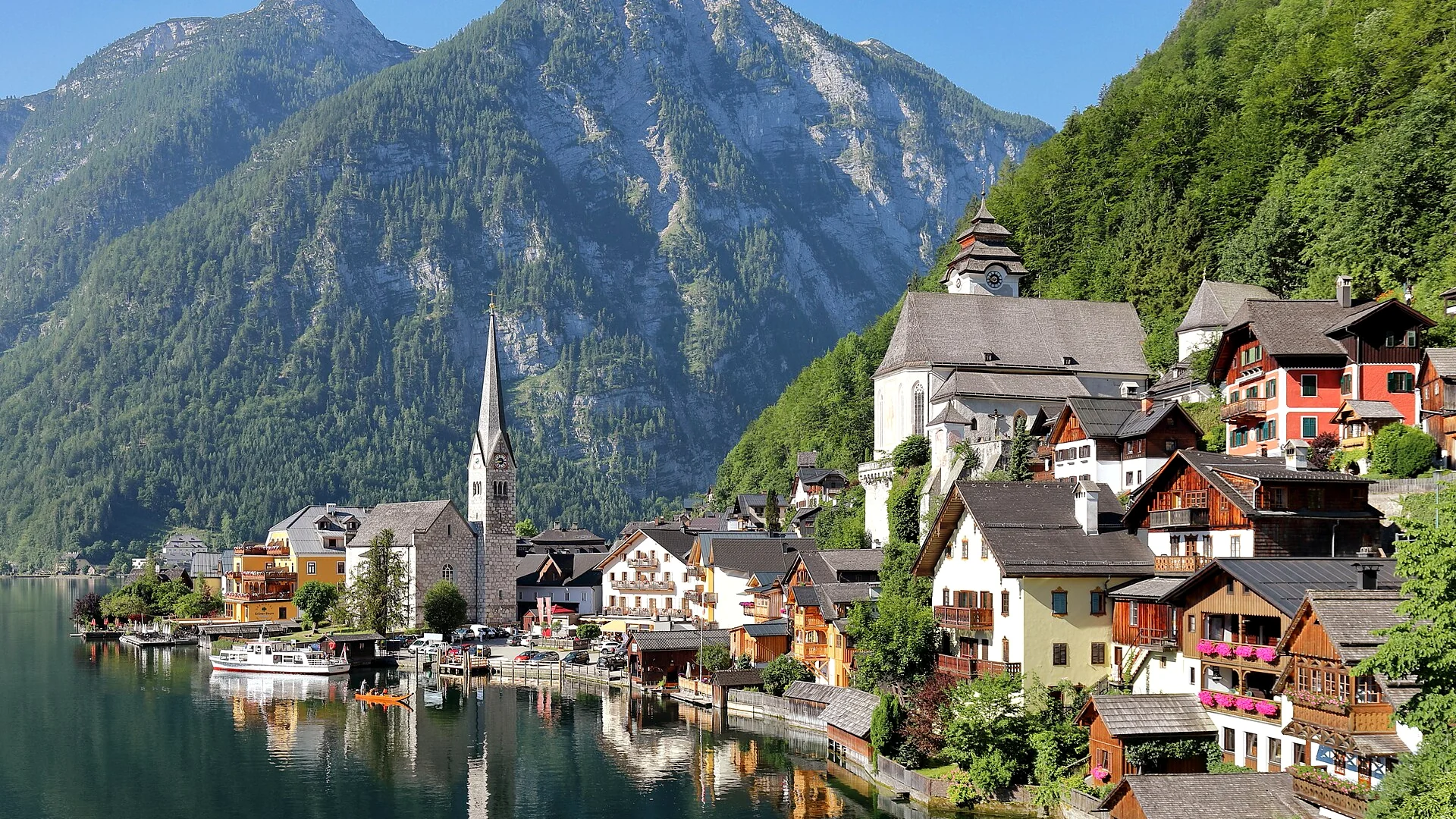

At seven in the morning, Hallstätter See is a sheet of dark glass reflecting sheer limestone cliffs. The morning mist drifts off the water in thin, ghostlike ribbons. A lone wooden punt, known locally as a Fuhr, bobs beside a moss-covered boathouse. By ten o’clock, this delicate stillness shatters. Tour buses roll into the southern terminal, and the narrow ribbon of Seestraße fills with hundreds of day-trippers jostling for the identical postcard photograph near the Protestant church.
Hallstatt is victim to its own perfection. Yet the vast majority of visitors never venture more than two hundred meters away from the water. Just above the historic shingle roofs and timber balconies, an entirely different world exists. Ancient miner paths climb aggressively into high alpine cirques, limestone ridges look out across the Dachstein massif, and wild glacial waterfalls thunder through silent forest gorges.
If you want to experience the quiet majesty that first drew nineteenth-century landscape painters to the Salzkammergut, you must head uphill. Exploring Hallstatt Alpine Village on foot requires strong legs and an early start, but the rewards are panoramic viewpoints and solitary alpine trails that rival the rugged grandeur found in our Dolomites Travel Guide.
Rising Above the Postcard: The Upper Trail to the Plassen
The sheer geography of Hallstatt dictates its layout. Hemmed in between the Plassen mountain and the cold depths of the lake, the settlement was accessible only by boat or treacherous mountain paths until the late nineteenth century. Those historical paths remain your best escape route.
The Salt Miner Path and Welterbeblick Bypass
Most visitors take the Salzbergbahn funicular directly to the modern skywalk platform, known as the Welterbeblick. The steel viewing wedge hovers 350 meters above the roofs, offering a dramatic view, but it is frequently crowded with selfie sticks. Instead of queuing for the funicular, take Trail 640, the historic Salzbergweg.
Starting near the Hallstatt Lahn bus parking lot, this trail zigzags sharply through dense beech and spruce forest. You gain roughly 400 vertical meters over two kilometers of well-maintained stone steps and switchbacks. The trail passes the historic Schüttkasten, an old grain storehouse, and remnants of the world’s oldest industrial pipeline, where brine has flowed through hollowed larch trunks since 1595.
Arriving at the top of the funicular station before 09:00 guarantees you have the panoramic views across the fjord-like lake entirely to yourself. From here, skip the guided mine tour and continue climbing toward the high pastures.
 Caption: Looking south across the deep waters of Hallstätter See from the quiet upper ridges above the village.
Ridge Climbing toward the Plassen Summit
Beyond the salt mine visitor center, the day-tripper trail ends abruptly. Path 640 transitions into a genuine alpine track heading toward the Plassen summit, sitting at 1,953 meters. This peak dominates the village skyline, yet fewer than two dozen hikers tackle it on any given autumn weekday.
The trail winds through subalpine dwarf pines (Latschen) and open pastures at the Plassenalm. Here, cows graze beneath stark limestone ramparts, and the hum of valley traffic disappears completely. The final push to the summit requires secure footing over broken rock and loose scree, assisted in two steep sections by fixed steel cables. At the summit cross, you are treated to a 360-degree panorama: the glittering Dachstein glacier to the south, the Gosau ridge to the west, and the emerald expanse of Hallstätter See far below your boots.
Elevation and Route Logistics
Planning an alpine outing in Hallstatt requires careful attention to steep ascents and rapidly changing weather conditions. The terrain transitions quickly from groomed municipal gravel paths to exposed limestone scrambling.
| Waypoint / Landmark | Elevation | Distance | Difficulty | Key Highlights |
|---|---|---|---|---|
| Hallstatt Lahn Trailhead | 511 m | 0.0 km | Easy | Lakeside start point and historic water troughs |
| Rudolfsturm & Skywalk | 855 m | 2.1 km | Moderate | Historic defensive tower and aerial valley views |
| Plassenalm Pastures | 1,510 m | 5.8 km | Moderate | Traditional alpine meadows and grazing cattle |
| Plassen Peak Summit | 1,953 m | 7.6 km | Strenuous | Exposed summit cross with Dachstein views |
| Echerntal Valley Floor | 570 m | 4.3 km | Easy | Shaded riverside walking beside old mills |
| Waldbachstrub Waterfall | 680 m | 6.2 km | Moderate | Thundering ninety-meter multi-tiered cascade |
| Wiesberghaus Alpine Hut | 1,884 m | 11.5 km | Strenuous | Historic mountain shelter on the high plateau |
Solitary Shores and High Mountain Passes
While the Plassen offers rugged summit views, the hidden valleys behind Hallstatt hold deep glacial secrets and historic forest routes that link the village with the broader Dachstein plateau.
The Echerntal Valley and Glacier Garden
If you prefer river valleys and cool microclimates to exposed ridges, walk west out of the village into the Echerntal. This deep glacial cut was a beloved retreat for writers such as Adalbert Stifter and painters like Ferdinand Georg Waldmüller.
The trail follows the tumbling Waldbach stream past traditional wooden farmhouses, leaving asphalt behind in favor of packed earth and river stone. After approximately forty minutes of gentle climbing, a fork leads toward the Glacier Garden (Gletschergarten). Formed during the retreat of the Dachstein glacier twelve thousand years ago, this geological site features giant rock cauldrons carved by rushing meltwater and polished limestone boulders suspended above natural gorges.
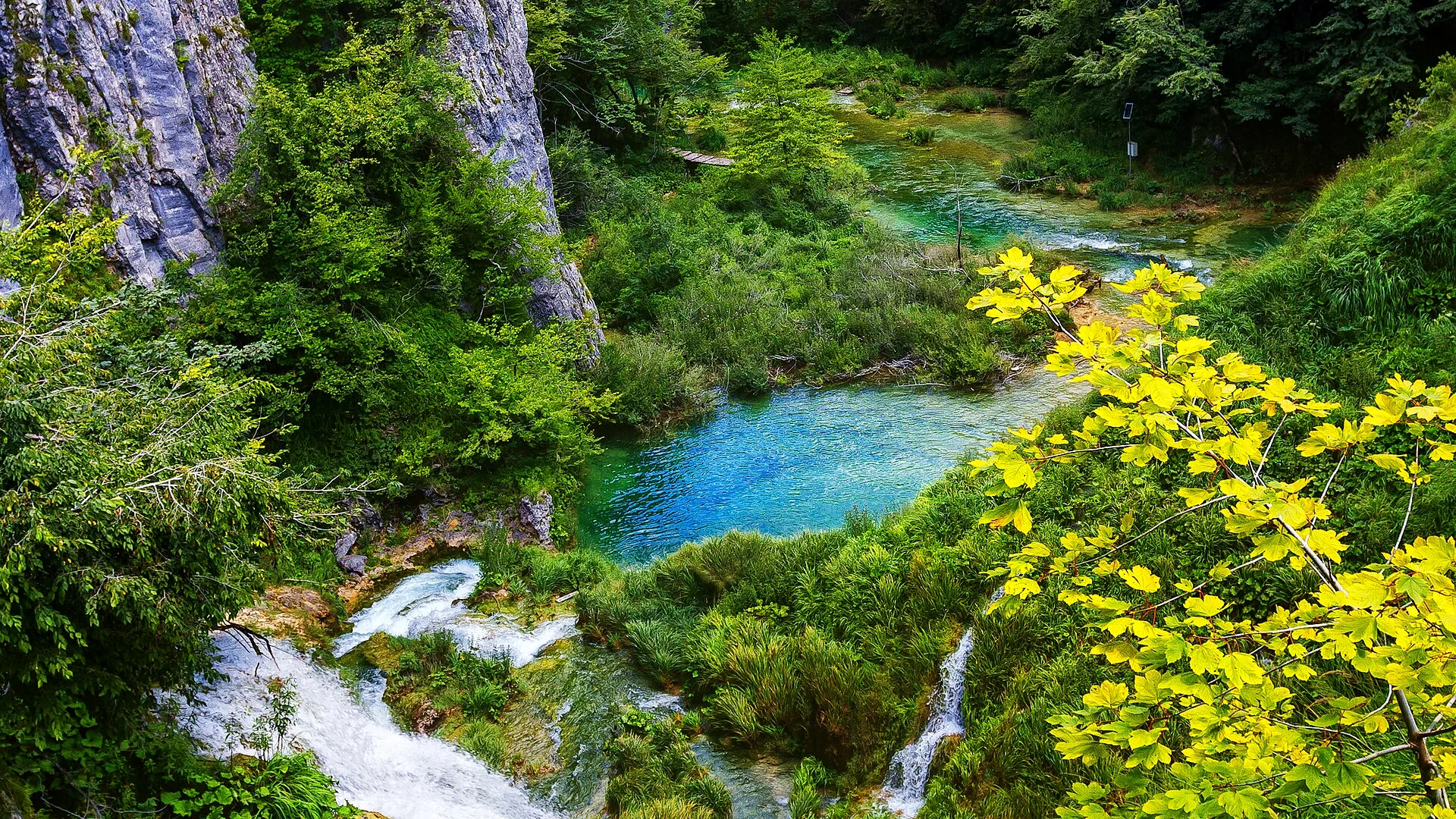
A suspension bridge spans the gorge, giving you a dizzying look directly into the churning emerald pools below. Continue ten minutes farther along the gravel track to witness the Waldbachstrub, a dramatic ninety-meter waterfall that plunges over sheer limestone cliffs in three distinct tiers. The air here stays chilled even in mid-July, perfumed with pine resin and damp stone.
 Caption: Traditional timber architecture and weathered trail markers leading into the Echerntal forest.
The Upper Route to the Wiesberghaus
For seasoned trekkers looking to link Hallstatt with long-distance mountain trails similar to the high passes highlighted in our guide to Zermatt & Matterhorn, Path 601 climbs out of the Echerntal toward the high Dachstein plateau.
This historic trail, known as the Tiergartenweg, was once used by mountain hunters and imperial foresters. It climbs aggressively through the Echernwand, a near-vertical wall of rock that hems in the valley. The trail is expertly engineered, utilizing natural rock ledges and timber-reinforced switchbacks to gain elevation efficiently.
Field Note from the Trail: Pack sturdy, lugged boots with stiff soles for the Tiergartenweg. Limestone in the Salzkammergut polishes down to an ice-like slickness when wet. Start your hike from the Echerntal car park before 07:30 to clear the exposed lower rock faces before the midday sun hits them. Carry at least two liters of water, as the porous karst limestone drains surface water quickly, leaving no refill sources until you hit the alpine huts.
As you crest the tree line around 1,700 meters, the landscape morphs into a stark karst wilderness. Pockets of dwarf pine cling to weather-beaten grey stone. The Wiesberghaus, operated by the Austrian Naturefriends organization, sits at 1,884 meters. Built in 1887, it remains an authentic operational mountain refuge serving hot food and cold beer to hikers continuing toward the Simonyhütte or crossing the plateau toward Obertraun.
Practical Logistics: Public Transit, Timing, and Alpine Dining
Navigating Hallstatt smoothly requires sidestepping the massive logistics machine set up for day-trip bus tours. Understanding the local transport connections turns a potentially frustrating visit into a seamless alpine escape.
Transit Tactics and Early Ferry Arrivals
The most scenic, crowd-free way to reach Hallstatt is by rail. The ÖBB train line runs along the eastern shore of the lake, stopping at the unstaffed Hallstatt Bahnhof. Because there is no road connecting this rail stop to the town, every passenger transfers to the historic wooden passenger ferry named “Stefanie.”
- Rail Access: Take the regional train from Attnang-Puchheim (connecting from Salzburg or Vienna) directly to Hallstatt Bahnhof.
- Ferry Crossing: The boat operates in coordination with the train schedule. A one-way ticket costs approximately €3.50 in cash paid directly to the deckhand. Gliding across the silent lake toward the rising church spire in early morning light remains one of the finest approaches to any mountain settlement in Europe.
- Bus Connections: If traveling by road, Bus 542 runs from Bad Ischl to the Gosaumühle junction, where you transfer to Bus 543 serving Hallstatt Lahn. To avoid extreme crowding, arrive before 08:30 or plan your arrival for after 16:30, when the tour buses depart.
Mountain Fare: What to Eat and Where to Rest
Resist the urge to eat at the lakeside burger kiosks or crowded pizza terraces along Seestraße. The culinary heritage of the Salzkammergut is deeply tied to freshwater fishing and high-pasture farming.
- Reinanke (Lakeside Whitefish): This delicate local whitefish is caught fresh from Hallstätter See under strict fishing concessions. Sample it pan-fried in butter with local potatoes at historic guesthouses like Gasthof Simony.
- Kaspressknödel: These pan-fried cheese dumplings served in rich beef broth are the ultimate fuel for mountain days. Order a bowl at the Rudolfsturm terrace restaurant or higher up at the Wiesberghaus.
- Holunderblütensaft: Refresh yourself after a warm descent with sparkling water mixed with local elderflower cordial, available at every mountain refuge.
- Kaiserschmarrn: If you reach the alpine huts above 1,500 meters, finish your trek with torn, caramelized pancakes dusted in powdered sugar and served with tart plum compote (Zwetschkenröster).
By focusing your itinerary on the high ridges and quiet river corridors, you discover the authentic identity of Hallstatt: an ancient mountain settlement sculpted by salt, stone, and alpine wilderness.
Frequently Asked Questions
What is the best time of year to hike around Hallstatt?
Late spring (late May through June) and early autumn (September through mid-October) offer ideal conditions. During these windows, the high-elevation trails are largely clear of snow, summer temperatures are moderate, and valley crowds thin out considerably. High mountain huts like the Wiesberghaus generally operate from June through early October.
Are the high trails above Hallstatt suitable for beginners?
The lower sections, including the walk into the Echerntal to the Waldbachstrub waterfall and the trail up to the Rudolfsturm, are well-marked and suitable for hikers with basic fitness. However, the summits of the Plassen and the high routes onto the Dachstein plateau require sturdy trekking footwear, sure-footedness on loose scree, and comfort with steep, exposed sections.
Can I park my car easily in Hallstatt if I drive?
Parking in Hallstatt is severely restricted. Visitors must use designated tunnel parking areas (P1 and P2) south of town, which charge steep hourly rates (often exceeding €15 to €20 for a half-day) and frequently fill completely by 09:30 during peak months. Using public transit via the train and lake ferry is strongly recommended.
How do I reach the famous postcard viewpoint without crowds?
The classic viewpoint at the northern end of the village along Gosaumühlstraße is best visited between 06:30 and 08:00. At this hour, the lake is calm, morning light illuminates the wooden houses, and the tour groups have not yet arrived. Evening twilight after 18:00 also provides a much quieter atmosphere as day visitors head back to their buses.