
Tour buses descend in droves on Chambord and Chenonceau each summer, crowding the grand galleries and turning serene royal estates into echoing transit hubs. Yet, the wider perimeter of Indre-et-Loire holds dozens of quiet, fortified keeps and early Renaissance pleasure palaces where gravel footpaths remain silent underfoot. Following the gentle curves of the Indre and Vienne tributaries reveals a dramatically different setting: small stone bridges, water lilies lapping against tuffeau limestone footings, and walled orchard gardens preserved through generations.
Planning a thoughtful Loire Valley road trip means moving away from the busiest corridors toward these secluded fortresses. Far from the manicured crowds, you encounter original drawbridges, medieval kitchen vaults, and terraced vineyards that still produce fragrant red wines. This Loire Valley chateaux guide maps out an authentic path through western Touraine, focusing on historic authenticity, quiet garden walks, and local epicurean heritage.
The Secluded Architectural Wonders of Indre-et-Loire
The landscape between Tours, Chinon, and Saumur features deep chalk escarpments, ancient oak groves, and wide, shimmering riverbends. Here, architecture shifted seamlessly from defensive medieval bastions to luminous Renaissance retreats. While tourist centers focus attention on the grandest royal monuments, these smaller estates offer a far more intimate understanding of French aristocratic life.
Château d’Ussé: The Sleeping Beauty Citadel
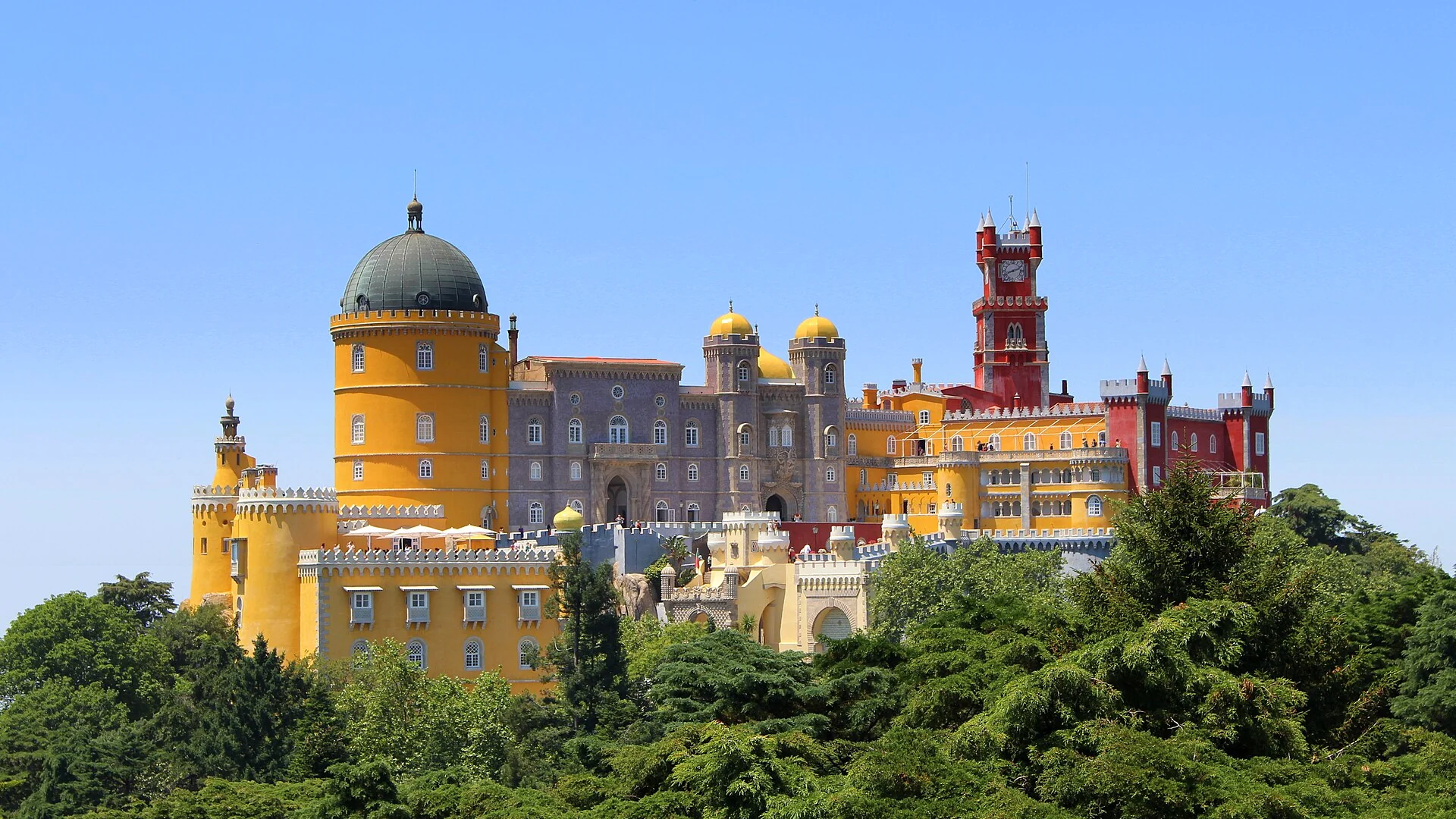
Perched along the edge of the Chinon forest overlooking the Indre River, Château d’Ussé presents an arresting silhouette of pointed turrets, machicolations, and tall Renaissance dormers. Charles Perrault was so struck by this setting during his seventeenth-century stays that he used it as the visual blueprint for his fairy tale, The Sleeping Beauty. Unlike the austere Bavarian exterior of Neuschwanstein Castle, Ussé blends authentic fifteenth-century military defenses with delicate classical pavilions added by the Duke of Duras.
Take time to walk the terraced gardens planned by André Le Nôtre, Louis XIV’s master gardener. The raised stone balustrades look out across the peaceful floodplains of the Indre. Inside, a private fifteenth-century collegiate chapel features pristine Flamboyant Gothic tracery and pristine Jean Goujon sculptures, entirely free from the heavy foot traffic found at larger monuments.
Château du Rivau: Medieval Fortifications and Living Folklore
Located a few kilometers south of the Vienne River, Château du Rivau feels like a page taken directly from an illuminated medieval manuscript. Complete with a working wooden drawbridge, stone moat, and soaring watchtowers, this fortified manor once supplied warhorses to the French crown and Joan of Arc during the siege of Orléans.
Today, the owners have restored the medieval stables and established fourteen whimsical botanical gardens, recognized by the French Ministry of Culture as “Jardins Remarquables.” Rare heirloom vegetables grow alongside gargantuan pumpkin patches, fragrant damask roses, and playful contemporary sculptures. The estate remains exceptionally quiet before 11:00, making early morning visits an ideal escape into genuine rural Touraine.
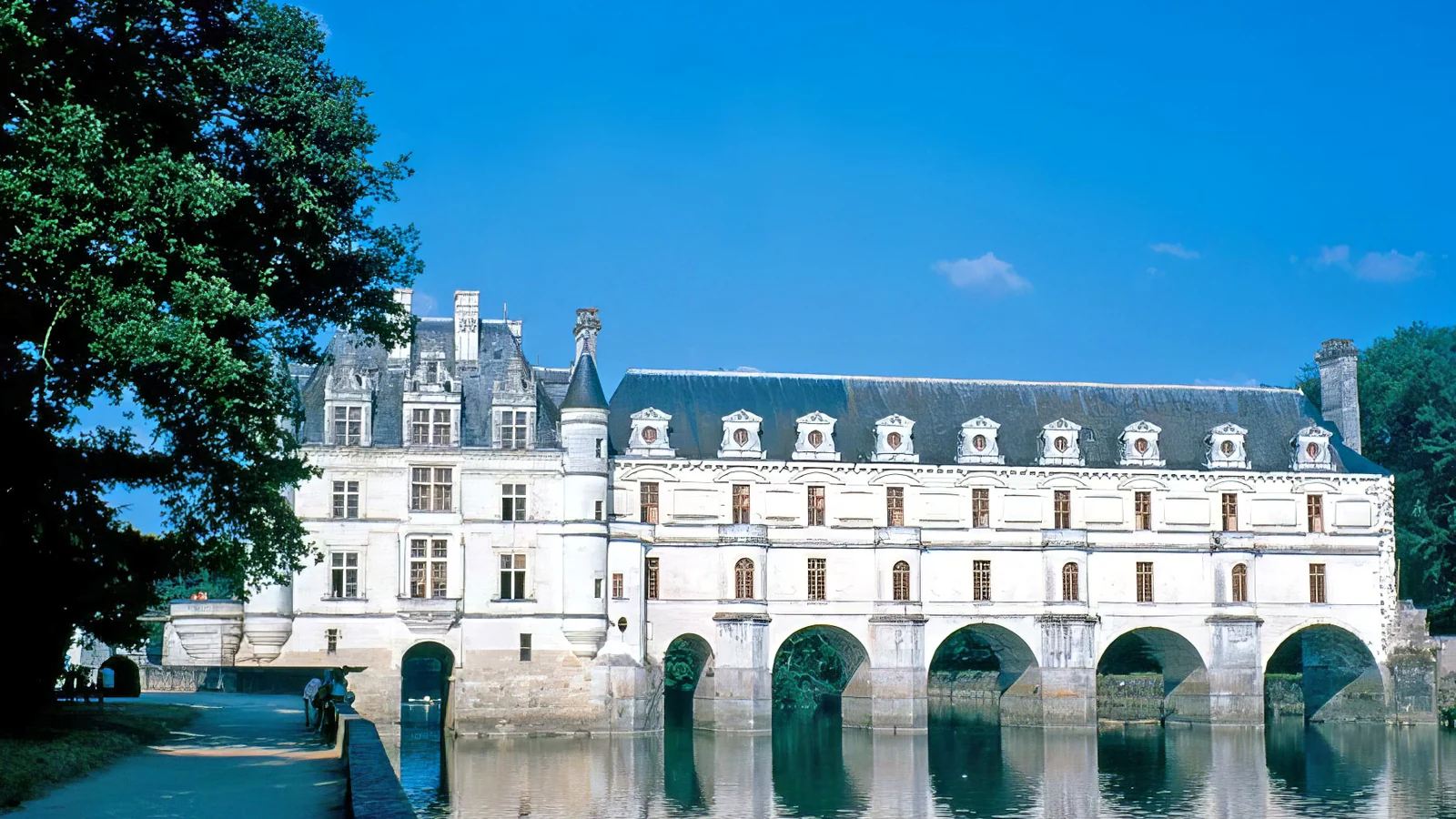 Caption: Morning mist blankets the tranquil waterways and limestone turrets across the Indre-et-Loire river valleys.
Château de Villandry: Masterwork of Ornamental Terraces
Villandry represents the final grand palace constructed in the Loire Valley during the Renaissance. While popular, visitors often miss the intricate network of peripheral trails that climb the limestone bluffs directly behind the estate. Jean Le Breton, Finance Minister to François I, demolished an older feudal fortress here to construct this symmetrical manor, retaining only the medieval keep.
The true wonder lies in the nine distinct garden plots, planted on multiple terraces. The Kitchen Garden consists of nine squares planted with geometrically arranged vegetables, standard rose bushes, and gravel avenues. Ascending to the viewpoint platform above the Water Garden gives you an uninterrupted view across the boxwood labyrinths and the distant Loire River without the crush of afternoon day-trippers.
Route Elevation, Mileage, and Trail Profiles
A successful circuit requires tracking distances along the secondary agricultural roads and shared riverside cycle paths known as La Loire à Vélo. The topography consists mostly of flat alluvial plains interspersed with sharp, short climbs up to limestone escarpments.
| Waypoint / Landmark | Elevation | Distance | Difficulty | Key Highlights |
|---|---|---|---|---|
| Tours Center (Gare de Tours) | 52 m | Baseline | Easy | Departure point, car rentals, bike shops |
| Château de Villandry | 55 m | 17.5 km | Easy | Renaissance water gardens, ornamental vegetable plots |
| Château de Langeais | 48 m | 10.2 km | Easy | Working fifteenth-century drawbridge, Carolingian keep |
| Château d’Ussé (Rigny-Ussé) | 42 m | 14.8 km | Moderate | Terraced Le Nôtre gardens, forested bluff panoramas |
| Forteresse Royale de Chinon | 112 m | 16.1 km | Moderate | Dramatic high-cliff ramparts overlooking the Vienne |
| Château du Rivau (Lémeré) | 85 m | 12.4 km | Easy | Walled rose gardens, medieval royal equestrian stables |
| Château d’Azay-le-Rideau | 61 m | 24.3 km | Easy | Mirror-lake water moat, early French Renaissance vaults |
Field Note from the Trail: Always secure your rental car or bicycle lock before walking up the steep cobbled alleys to Chinon’s fortress. To experience these sites without large crowds, purchase combined tickets through the Touraine Val de Loire tourism bureau app, and arrive at castle gates right at 09:00 or after 16:30. Parking across all these hidden sites is free, unlike the large pay lots at Chambord.
Deep River Bastions: Chinon and Langeais
Heading west along the river tributaries brings you to historic military defenses that guarded the borderlands between royal French domains and English-controlled Anjou. These sites offer rich, gritty histories rooted in genuine defense rather than aristocratic recreation.
Forteresse Royale de Chinon
Towering over the narrow slate roofs of Chinon’s medieval town, the Forteresse Royale stretches over four hundred meters along a rocky limestone outcrop. This massive complex comprises three distinct castles separated by deep, rock-hewn dry moats: Fort Saint-Georges, Château du Milieu, and Fort du Coudray. Henry II Plantagenet, King of England, died within these stone walls in 1189, and Joan of Arc arrived here in 1429 to convince the French Dauphin, Charles VII, to reclaim his kingdom.
The rampart walks offer panoramic vistas of the Vienne River and sprawling vineyards of Cabernet Franc. Exploring the Coudray keep takes you into dark subterranean chambers where captured Knights Templar were imprisoned in 1308, leaving behind cryptographic carvings etched into the tuffeau rock faces.
Much like navigating the cliffside paths of Amalfi Coast Trails, the ascents through Chinon’s lower town involve narrow stairways and slippery cobbles. Pack sturdy walking shoes to comfortably traverse the ramparts.
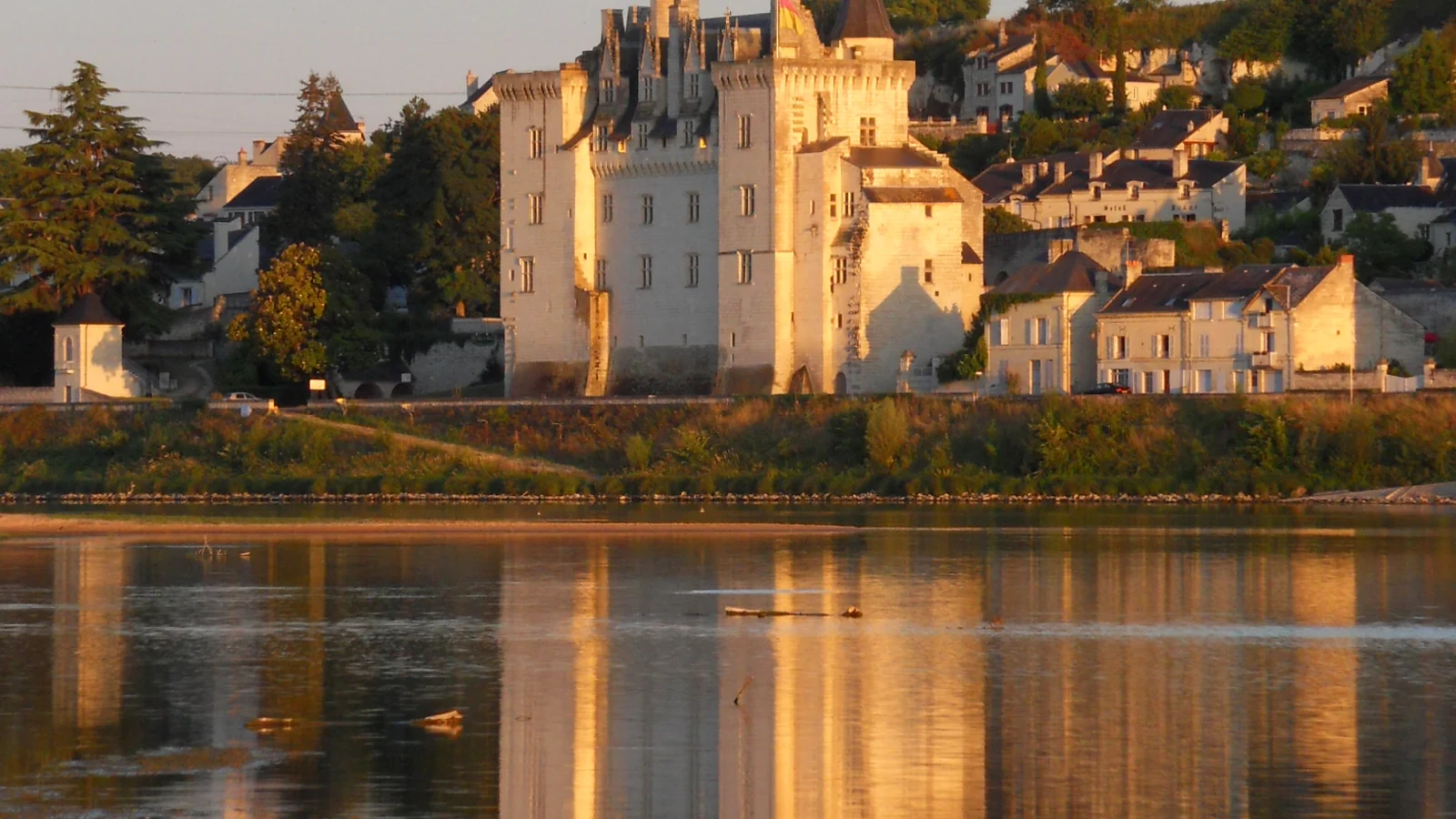 Caption: Intricate tuffeau stonework, sculpted corbels, and Gothic dormers on a quiet Touraine estate courtyard.
Château de Langeais: Medieval Might and Tapestries
Just across the Loire River, Langeais presents a stark contrast to the nearby summer palaces. Commissioned by King Louis XI in 1465, its outer facade remains entirely defensive, featuring sheer stone walls, crenelated battlements, and a mechanical drawbridge operated by hand every morning.
Inside, Langeais hosts one of the world’s most impressive collections of fourteenth- and fifteenth-century tapestries, woven with natural plant dyes depicting thousand-flower motifs and hunting expeditions. The Great Hall witnessed the secret royal wedding of Charles VIII and Anne of Brittany in 1491, an event that permanently united the independent Duchy of Brittany with the Kingdom of France. Behind the fortress stand the ruins of a stone keep built around the year 994 by the infamous Count of Anjou, Foulques Nerra, making it one of the oldest stone fortresses still standing on French soil.
Troglodyte Traditions and Touraine Gastronomy
The soft tuffeau stone that built these grand estates came directly from subterranean quarries carved into the valley bluffs. Once miners exhausted these stone pockets, the hollowed caves became dwelling spaces, mushroom farms, and wine cellars. Experiencing this subterranean culture is essential to any true Loire Valley road trip.
Troglodyte Dining and Rustic Specialities
In villages like Gizeux, Souzay-Champigny, and Montsoreau, entire settlements still thrive underground. Stop for lunch at a rustic cave troglodytique to sample local fouées. These small, pocket-like breads are pulled directly from wood-fired ovens while puffing with steam, then stuffed with savory pork rillons, buttered white haricot beans, and rillettes de Tours.
Pair your meal with a wedge of Sainte-Maure de Touraine, an artisanal AOP goat cheese shaped like a log with a rye straw running through its center to hold the delicate curd together. The cheese offers a bright, nutty acidity that cuts cleanly through richer charcuterie dishes.
The Hillside Vineyards of Chinon and Bourgueil
The valleys of the Indre and Vienne benefit from a sheltered microclimate where oceanic air masses meet inland warmth. Winemakers here specialize in Cabernet Franc (locally called Breton) and Chenin Blanc.
Unlike the crowded tasting halls found near international hubs, the family estates in Cravant-les-Coteaux and Restigné invite travelers into cool, dark cellars dug directly into the hillside rock. Tastings are generally unhurried and inexpensive, with bottles of aged Chinon or Saint-Nicolas-de-Bourgueil typically priced between €12 and €25.
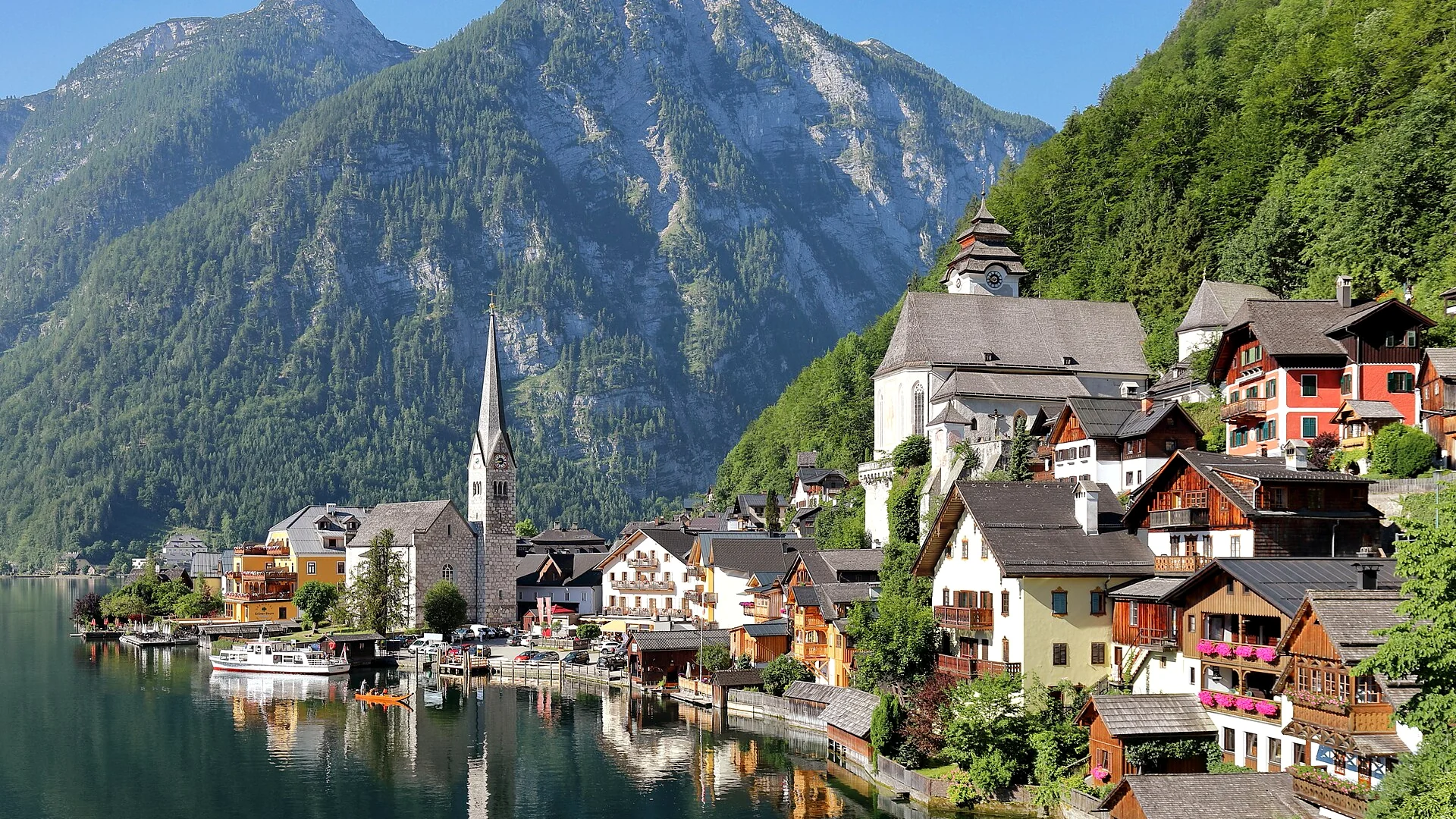
For travelers who enjoy tranquil lakeside and village retreats like Hallstatt Alpine Village, these quiet wine villages along the Loire offer a peaceful escape immersed in authentic local life.
Transit Logistics and Practical Field Intelligence
Successfully touring Indre-et-Loire requires careful routing, as train lines primarily connect major towns, leaving smaller castle villages reliant on regional buses or rural cycling trails.
Rail and Bus Connections
The city of Tours serves as the primary regional transport hub, easily accessible from Paris Montparnasse in just over an hour via high-speed TGV trains. From Tours:
- Take the regional TER line toward Saumur, stopping at Langeais (22 minutes, around €6.50).
- Ride the southern TER branch line directly to Chinon (45 minutes, around €9.00).
- For sites like Villandry or Ussé without direct rail links, regional Rémi buses operate routes from Tours or Langeais. Rémi bus line C connects Tours to Villandry during peak months for €3.00 each way.
- Purchasing a regional TER Day Pass (€25) gives you unlimited hop-on, hop-off train travel throughout the Centre-Val de Loire region.
Cycling the Scenic Byways
Bicycle rental shops operate across Tours, Langeais, and Chinon, providing traditional touring bikes or pedal-assist e-bikes (typically €25 to €45 per day). The dedicated La Loire à Vélo cycle paths follow flat dike roads, protected agricultural easements, and shaded towpaths along the river.
Bikes can be brought aboard most regional TER trains free of charge in dedicated cargo cars, allowing you to cycle out to distant castles like d’Ussé or Rivau and return to your base by train when evening approaches.
Frequently Asked Questions
What is the most efficient way to travel between these hidden châteaux?
The most flexible option is renting a car at the Tours TGV station, allowing you to access remote country roads and agricultural lanes without timetable constraints. Alternatively, combining the regional TER train lines with an e-bike rental allows you to pedal comfortably between estates along the dedicated La Loire à Vélo routes.
How do ticket passes work for Loire Valley castles?
Unlike some European destinations with single all-inclusive transit passes, the Loire Valley estates are individually managed by state agencies, departmental councils, and private families. The departmental tourism office offers the “Pass Châteaux,” which bundles multiple entry tickets at a discount of ten to twenty percent. Buy these passes online or at the tourism offices in Tours or Chinon to bypass main ticket lines.
Can you explore the Loire Valley châteaux without renting a car?
Yes, using a combination of regional rail and cycling works well. Base yourself in Tours or Chinon, which both have active train stations. From Tours, you can take a regional train to Langeais or a direct Rémi bus to Villandry. Chinon serves as a convenient cycling base for pedaling along flat secondary roads out to Château du Rivau or Château d’Ussé.
What are the best dining options near the smaller estates?
Avoid tourist restaurants positioned immediately outside estate entry gates. Instead, head into nearby historic village squares or seek out subterranean troglodyte restaurants. In Chinon, look for classic bistros along Rue Haute Saint-Maurice; around Langeais, try the bakeries and independent inns on Place Pierre de Brosse serving fresh seasonal game, goat cheeses, and regional wines.