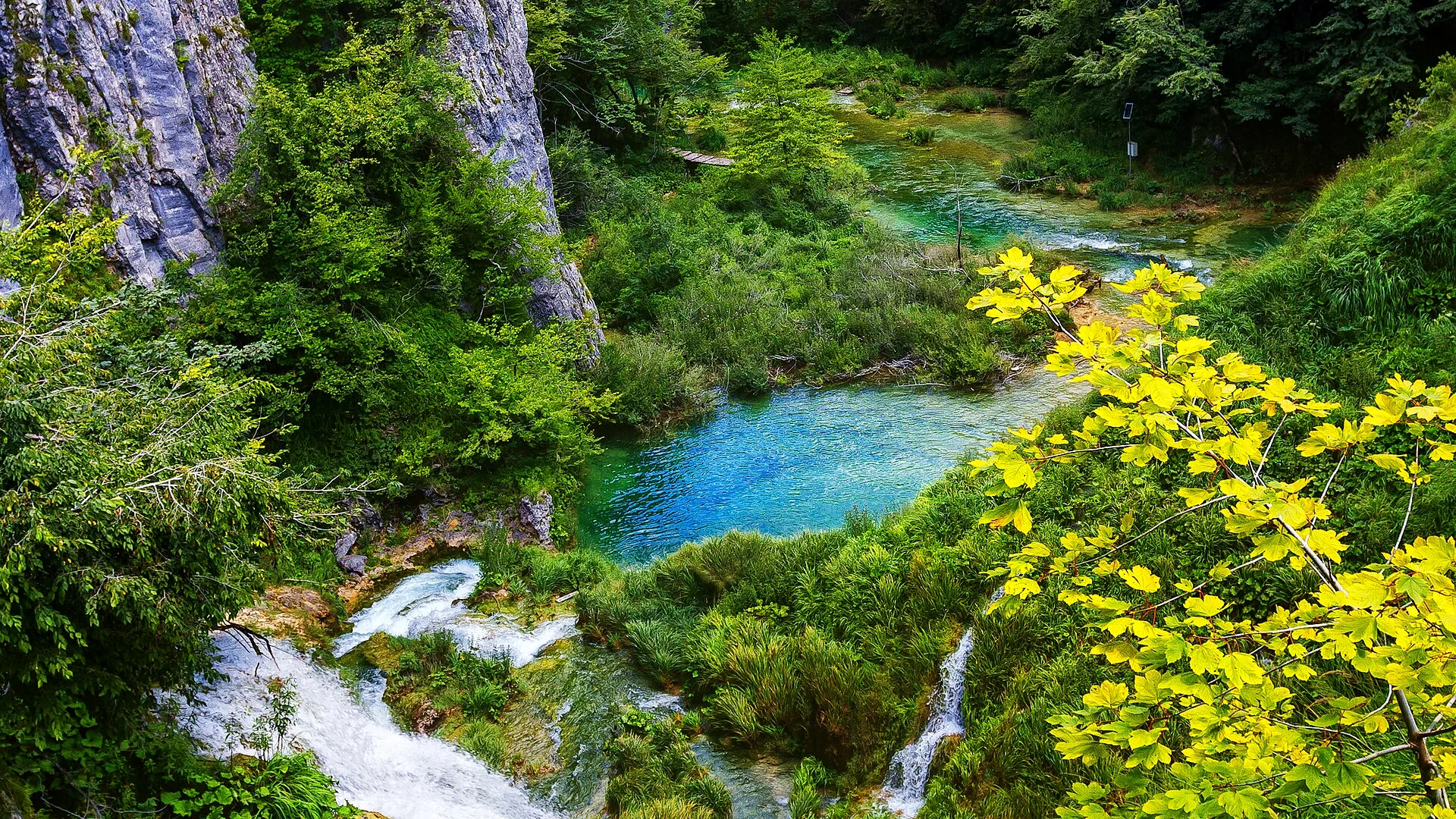

Suspended between limestone cliffs and the Tyrrhenian Sea, the Sentiero degli Dei, or Path of the Gods, delivers one of the most celebrated coastal walks in southern Europe. Legend claims Greek deities walked these exact precipices to rescue Odysseus from the sirens singing along the waters of Capri. Today, hikers encounter an ancient mule track carved high above the vertical villages of the Sorrentine Peninsula.
This classic path reveals an older, wilder Campania far removed from the manicured lidos below. While the dramatic drop-offs evoke high-alpine exposure similar to classic routes in our Dolomites Travel Guide, the scent here is unmistakably maritime: wild rosemary, crushed fennel, and salty sea breezes drifting upward from the water 600 meters below.
Route Breakdown: From Bomerano to Nocelle
The standard Path of the Gods Amalfi hike measures roughly 7.8 kilometers when walked from the mountain hamlet of Bomerano (in Agerola) to the pastel-tinted cliff-edge village of Nocelle. Walking this trail from east to west is strongly recommended. This direction keeps the dramatic panorama of Positano and the Island of Capri directly in your sightline while ensuring a net downhill gradient.
Hiking in the opposite direction, from Positano upward, transforms a scenic stroll into an arduous stair-climbing workout under direct Mediterranean sunlight.
[Markdown Route Elevation Table]| Waypoint / Landmark | Elevation | Distance | Difficulty | Key Highlights |
|---|---|---|---|---|
| Piazza Paolo Capasso (Bomerano) | 630 m | 0.0 km | Easy | Trailhead bakery, espresso bars, water refill station |
| Grotta del Biscotto | 580 m | 1.2 km | Moderate | Ancient cliff dwellings, dramatic limestone overhangs |
| Colle Serra Junction | 575 m | 2.1 km | Moderate | Split point between high trail and classic low trail |
| Vallone Grarelle | 490 m | 4.6 km | Moderate | Technical rock stepping, dramatic ravine crossings |
| Nocelle Village | 420 m | 7.8 km | Easy | Lemon granita stands, quiet chapels, bus connection |
| Positano Beach (via steps) | 10 m | 10.0 km | Strenuous | 1,780 stone steps, knee strain, vertical sea views |
The initial stretch leaves Bomerano along an asphalt lane that quickly transitions to packed earth and crushed limestone. Passing Grotta del Biscotto, you witness cliffside stone buildings embedded directly into the rock recesses. Centuries ago, local herdsmen stored milk and cured meats in these cool hollows.
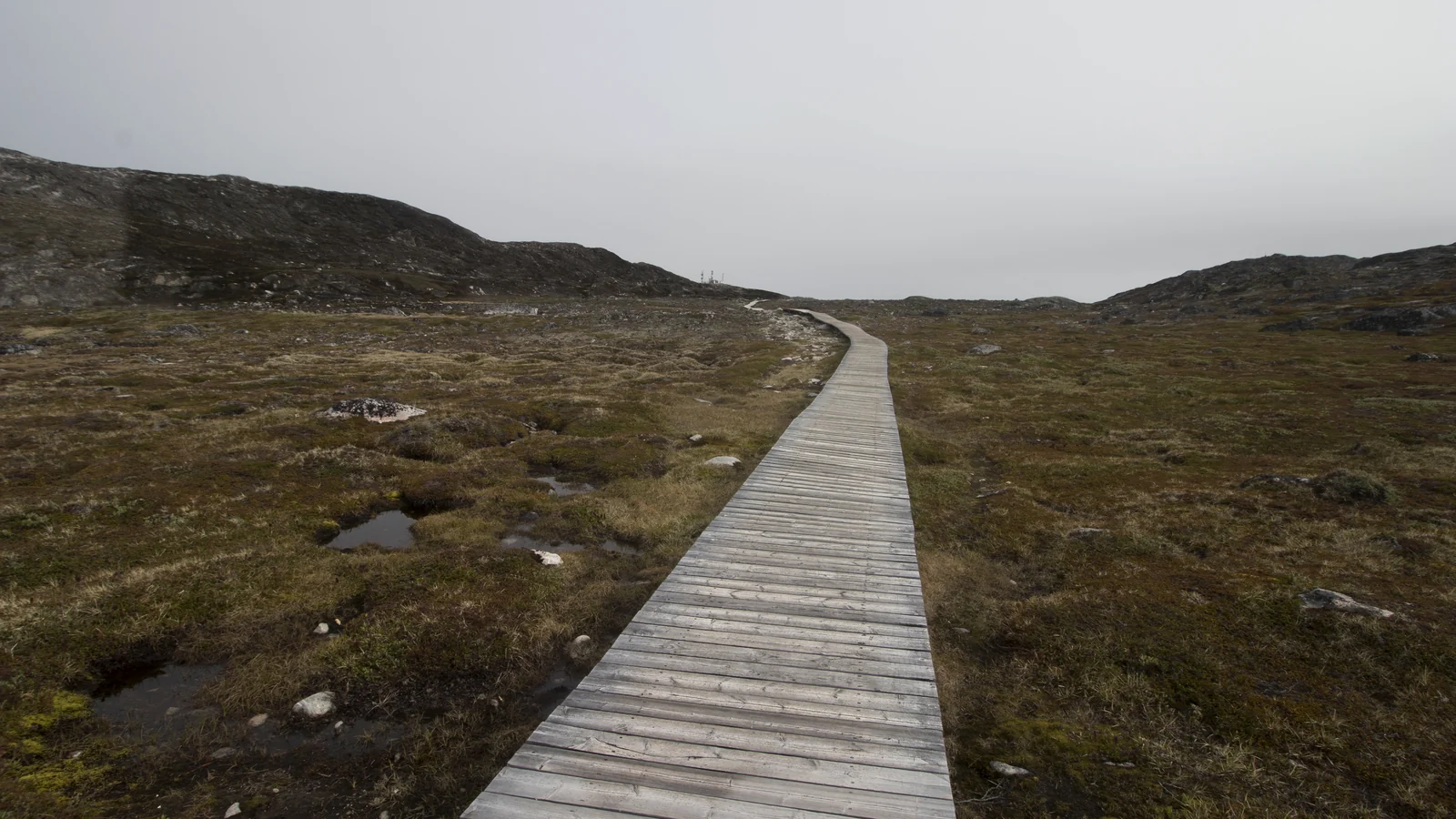 Caption: Sweeping coastal panorama along the western trail segment as the cliffs tumble into the Tyrrhenian Sea.
At Colle Serra, approximately two kilometers into the trek, the path splits into two distinct options: the upper path (sentiero alto) and the lower path (sentiero basso). The lower path represents the classic Sentiero degli Dei guide route. It sticks closer to the edge of the sheer cliffs, delivering unobstructed views of the sea, while the upper path climbs toward Santa Maria del Castello through shaded forest terrain. Most first-time hikers should stay on the lower path, marked clearly by red-and-white CAI (Club Alpino Italiano) blazes numbered 327.
Practical Trail Logistics: Transport and Timing
Successfully executing this trek on the Amalfi Coast requires precise timing and public transport planning. Coastal roads are notoriously congested from mid-morning through dusk, making parking near the trailheads nearly impossible during peak months.
Bus Route Details and Transit Tickets
To access the start in Bomerano, board the regional SITA Sud bus (line 5080) departing from the Piazza Flavio Gioia terminal in the town of Amalfi. The journey winds steeply upward through mountain switchbacks, taking approximately 45 to 55 minutes depending on traffic.
- Ticket Purchase: Buy your bus ticket before boarding at any tabacchi shop or newsstand in Amalfi. A single one-way ticket costs approximately €2.40. Drivers do not sell tickets on board.
- Morning Departures: Board the 07:15 or 08:00 bus out of Amalfi to begin walking before midday heat settles over the exposed cliff sides.
- Arrival Point: Disembark at Piazza Paolo Capasso in Bomerano. The square features two cafes, a bakery selling freshly made focaccia, and clean public facilities.
Field Note from the Trail: Never attempt this trail in smooth-soled street sneakers. The limestone rock has been polished smooth by millions of footsteps and becomes treacherous when coated in fine gravel or morning condensation. Wear structured trail running shoes or lightweight hiking boots with sticky vibram rubber. Trekking poles provide immense relief on the uneven rocky shelves and protect your knees if you tackle the descent down to Positano.
For hikers looking to explore more challenging coastal footpaths across the region, our comprehensive guide to Amalfi Coast Trails covers hidden monastery tracks around Ravello and the wild gorges of the Valle delle Ferriere.
Terrain, Flora, and Trailside Sustenance
The middle section of the trail hugs towering vertical cliffs that drop hundreds of meters down into terraced vineyards. The agriculture here is classified as heroic farming: farmers cultivate small parcels of land on impossibly steep slopes without machinery, transporting their goods via pack mules.
Along the pathway, scrubby maquis vegetation dominates. You will pass through thickets of wild rosemary, sage, lentisk, and myrtle bushes. Goats and donkeys graze casually along the higher shelves, their wooden bells chiming in the mountain air.
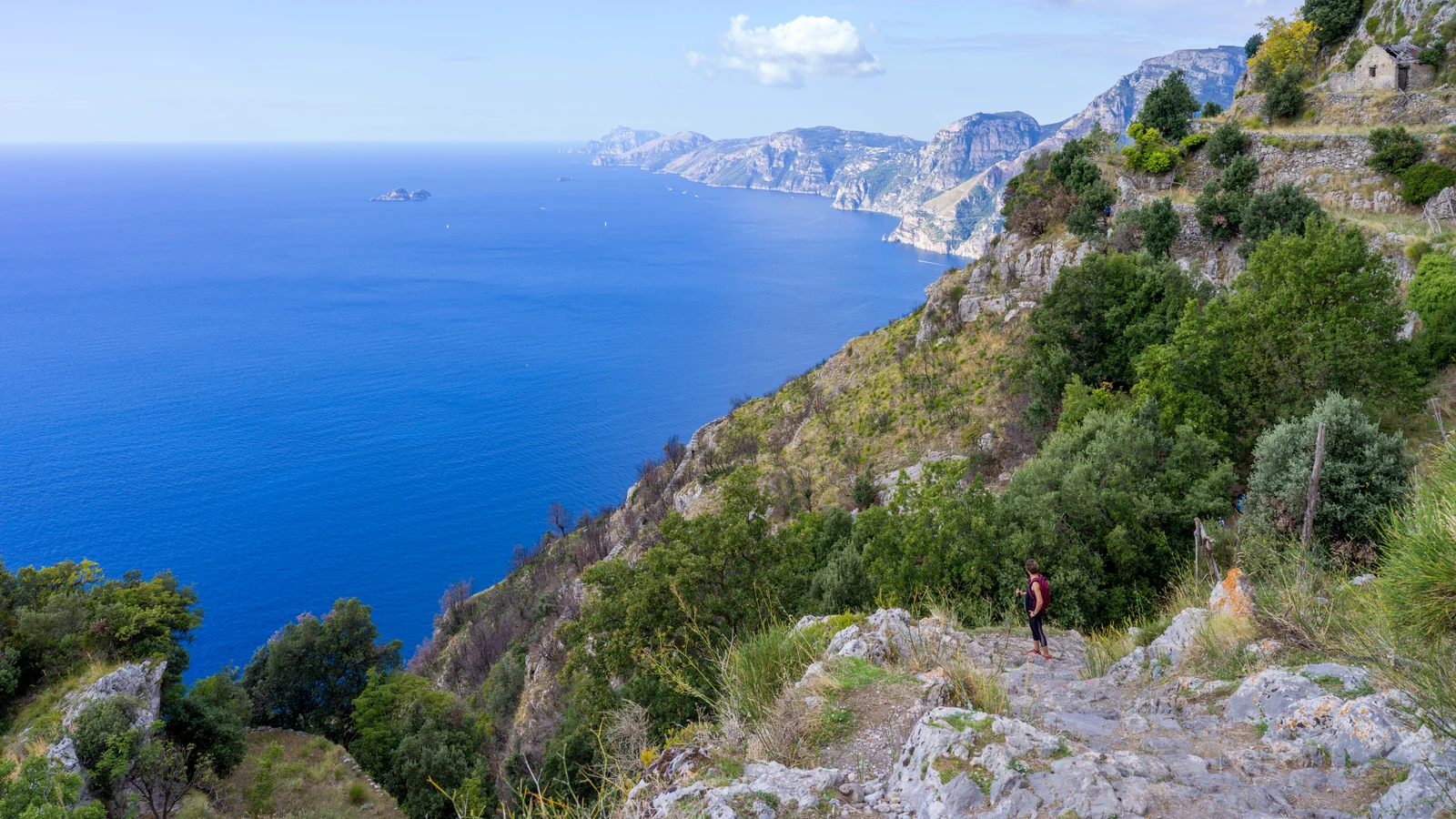 Caption: Traditional stone pathways, drystone retaining walls, and trailside waymarkers cut deep into the limestone.
Local Food Stops Along the Path
Unlike remote wilderness hikes, the Sentiero degli Dei features charming culinary rests along the route:
- Bomerano Trailhead Provisioning: Stop at Salumeria De Majo on the village square before departing. Pick up a loaf of crusty durum bread paired with local Fior di Latte di Agerola (a rich fresh cow milk mozzarella typical of the upland plateau) and sweet cured prosciutto.
- Mid-Trail Farmhouses: Several rustic stone cottages along the path sell bottled water, dried figs, and small packets of taralli crackers for €1.50 to €3.00.
- Nocelle Kiosks: Upon reaching Nocelle, look for the shaded kiosks near the church square of Santa Croce. A cup of freshly squeezed lemon and orange granita, made using organic Sfusato Amalfitano lemons, costs around €3.50 and restores energy instantly.
The Descent: Conquering the 1,780 Steps to Positano
Reaching Nocelle marks the traditional endpoint of the high cliff walk, but you must decide how to complete the final leg down to sea level. The trail provides two distinct routes down to Positano.
Option A: The Historic Stone Staircase
From the edge of Nocelle, a stone staircase with roughly 1,780 steps drops 400 vertical meters through olive groves into the hamlet of Arienzo. From Arienzo, you walk the shoulder of the busy main Amalfi Drive road for one kilometer to reach the center of Positano.
This staircase is relentlessly steep and physically demanding on the quadriceps. If you have pre-existing knee injuries or weak joints, skip the steps. For capable hikers, however, the descent offers romantic vantage points over Positano’s pastel villas clinging to the rock face like barnacles.
Option B: The Mobility Amalfi Coast Shuttle Bus
If you prefer to save your knees, wait at the Nocelle parking turnaround for the small local Mobility Amalfi Coast minibus.
- Frequency: The bus runs roughly every 45 to 60 minutes.
- Cost: Tickets cost approximately €1.60 when bought in advance at local bars, or €2.00 cash directly from the driver.
- Destination: The bus drops passengers at the junction above Positano (Piazza dei Mulini area), saving an hour of joint-pounding descent.
Once in Positano, reward your efforts with a cold bottle of local Falanghina wine or a classic Aperol Spritz on the pebble beach of Spiaggia Grande. To return to your home base, avoid the crowded buses by booking a passenger ferry departing Positano’s jetty back to Amalfi, Minori, or Salerno. The ferry ride provides a thrilling perspective: you can gaze straight up at the hairline ridges you traversed hours earlier.
Practical Trail FAQs
What is the best time of year to hike the Path of the Gods?
The optimal seasons run from April through mid-June and from September through late October. Summer months bring oppressive heat, high humidity, and direct overhead sun on unshaded rock segments, which makes the walk exhausting. Winter brings occasional heavy rain that turns the polished limestone surfaces slick and hazardous.
Is the trail safe for hikers with vertigo or fear of heights?
The trail is generally well-maintained and wide enough for comfortable passage. However, several sections trace exposed ledges with steep drops into the sea below. While wooden guardrails protect the most vulnerable precipices, individuals with severe vertigo may feel uncomfortable on the open segments between Colle Serra and Vallone Grarelle.
Are there water refill stations along the route?
Yes, but they are limited. You can fill your water bottle at the public fountain in Bomerano’s main piazza before starting. A fresh mountain spring fountain sits near Colle Serra roughly 45 minutes into the hike. After that point, carry at least two liters of water per person, as there are no further free water sources until you arrive in the village of Nocelle.
Can you complete the Path of the Gods with dogs?
Yes, well-behaved dogs are allowed on the trail. Keep your dog on a sturdy leash at all times. The path has exposed cliffs, steep drops, and sudden encounters with pack mules, mountain goats, and other hikers. The rocky path can also be abrasive on delicate dog paws, so carry plenty of extra water for your pet during warmer weather.